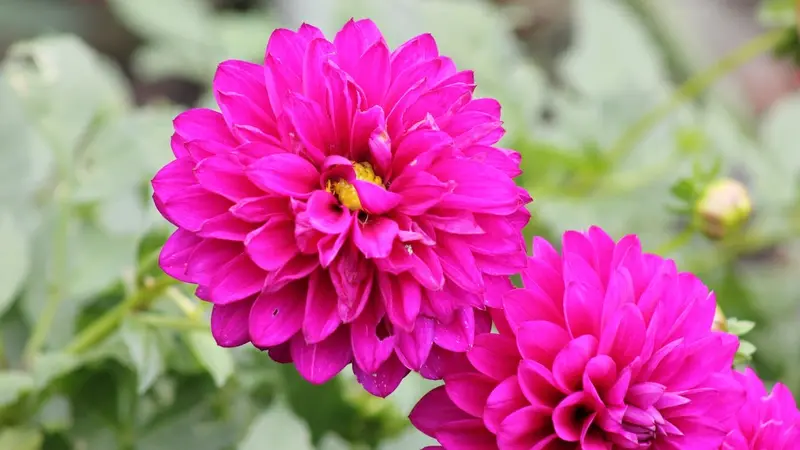

The boylecheloid flower is one of those rare internet-born curiosities that sits at the crossroads of gardening, folklore, and modern storytelling. At first glance, it appears to be a mysterious and almost mythical bloom—spoken of in poetic language, described as color-shifting, rare, and elusive. Yet when you look closer, the story becomes even more interesting. The boylecheloid flower is not just a legend, nor is it entirely fictional. Instead, it is a layered concept blending symbolism, myth, and a very real and familiar plant hiding in plain sight.
This article brings together everything learned so far to clearly explain what the boylecheloid flower is, where the legend comes from, and which real flower lies behind the name.
What Is the Boylecheloid Flower?
The term boylecheloid flower is not recognized in official botanical classifications. You will not find it listed as a scientific species in plant databases or horticultural reference books. Instead, it is a constructed name, popularized through modern online articles that mix storytelling, symbolism, and gardening advice.
What makes the name especially clever is its hidden clue. When the letters of boylecheloid are rearranged, they form the scientific name Cosmos bipinnatus—the common cosmos flower. This discovery reshapes the entire conversation around the boylecheloid flower, revealing that the “mystery bloom” is, in fact, a poetic reinterpretation of a well-known garden favorite.
The Forgotten Legend of the Boylecheloid Flower
In many stories, the boylecheloid flower is portrayed as a rare bloom that appears only under special conditions. Legends describe petals that shimmer or subtly change color in sunlight, as if responding to the emotions or intentions of the observer. Some versions claim it blooms unpredictably, sometimes only once every few years, which adds to its aura of mystery.
Culturally, these stories frame the boylecheloid flower as a symbol of resilience, quiet beauty, and transformation. It is said to represent moments in life that are fleeting but meaningful—experiences that cannot be forced and must be appreciated when they appear. This myth-based framing has made the flower popular in storytelling, art, and symbolic writing, even though the descriptions are more poetic than scientific.
The Real Flower Behind the Myth
Once the symbolic layer is peeled away, the boylecheloid flower aligns almost perfectly with the cosmos flower, especially Cosmos bipinnatus. Cosmos are known for their delicate, airy petals, soft color palette, and graceful movement in the breeze—qualities that easily inspire romantic or mystical descriptions.
Cosmos flowers typically bloom in shades of pink, white, purple, and magenta. While they do not truly change color, light conditions can make the petals appear different throughout the day, which may explain the origin of the color-shifting legend. Their simple beauty and effortless charm make them an ideal candidate for myth-making.
Physical Characteristics of the Boylecheloid Flower
When described through the lens of both myth and reality, the boylecheloid flower has several defining traits:
It is usually portrayed as having layered or softly ridged petals, giving it an elegant and textured appearance. The plant itself is slender and upright, with finely divided, feathery leaves that add to its delicate look. The flowers often appear light and floating, which reinforces the idea that they are rare or otherworldly.
In real gardens, cosmos plants can grow anywhere from compact border height to tall, flowing stems that sway easily in the wind. This natural movement contributes to their ethereal reputation.
Growing and Caring for the Boylecheloid Flowers
When treated as its real botanical counterpart, the boylecheloid flower is surprisingly easy to grow.
It thrives best in full sunlight, where it produces abundant blooms. The soil should be well-drained, as cosmos do not tolerate soggy roots. In fact, they prefer slightly poor soil, which encourages more flowers rather than excessive foliage.
Watering should be moderate. Once established, the plant is fairly drought-tolerant, making it ideal for low-maintenance gardens. Regular deadheading, or removing spent blooms, helps extend the flowering season and keeps the plant looking fresh.
Unlike the legends that suggest rarity and difficulty, the real boylecheloid flowers—cosmos—is known for being resilient, beginner-friendly, and generous in bloom.
Symbolism and Meaning
The symbolic meaning attached to the boylecheloid flowers is one of the strongest reasons it has captured public imagination. Across various interpretations, it represents harmony, balance, hope, and quiet strength. It is often associated with the idea that beauty does not need to be loud or rare to be meaningful.
This symbolism aligns perfectly with the traditional meaning of cosmos flowers, which have long been associated with order, peace, and simplicity. The myth simply amplifies these ideas, turning an everyday flower into a metaphor for life’s most subtle and powerful moments.
Myth vs. Botanical Reality
One of the most fascinating aspects of the boylecheloid flowers is how easily myth and reality blend together. On one hand, there is no scientific evidence of a rare, color-changing species that blooms once every few years in hidden valleys. On the other hand, there is a real flower whose appearance and behavior naturally inspire wonder.
The boylecheloid flowers works best when understood as a storytelling lens rather than a new discovery. It shows how language, imagination, and symbolism can transform a familiar plant into something magical without changing its physical form at all.
Why the Boylecheloid Flower Matters
The popularity of the boylecheloid flower highlights a modern desire to reconnect with nature in a more emotional and symbolic way. In a world driven by data and classification, this flower reminds us that meaning often comes from interpretation, not just facts.
It also encourages curiosity. People who search for the boylecheloid flower often end up learning about cosmos flowers, gardening, and plant symbolism—bridging the gap between myth and horticulture.
Read more: Explore fangchanxiu. Com – The Ultimate Platform for Property Insights and Market Trends
Frequently Asked Questions (FAQ) About the Boylecheloid Flower
The boylecheloid flower is not an officially recognized botanical species. It is a symbolic and narrative name popularized through online articles and folklore-style storytelling. In reality, the name is a creative reinterpretation of the Cosmos bipinnatus, commonly known as the cosmos flower.
There is no scientific plant registered under the name “boylecheloid.” However, the flower described in most articles matches the physical appearance, growth habits, and care requirements of the cosmos flower, which is very real and widely cultivated.
The mystery comes from legends and symbolic descriptions that portray the flower as rare, color-shifting, and difficult to find. These stories are artistic and metaphorical rather than scientific, designed to evoke wonder and emotional meaning.
No verified botanical evidence supports true color-changing petals. What people often describe as color shifts are natural effects of lighting, petal translucency, and the way sunlight interacts with the flower—especially in cosmos varieties.
The name is a linguistic puzzle. When rearranged, the letters in “boylecheloid” spell Cosmos bipinnatus. This hidden anagram is the key to understanding the flower’s true identity.
If grown as its real counterpart, cosmos flowers prefer full sun, well-drained soil, and moderate watering. They are easy to grow, low maintenance, and bloom generously throughout the season with minimal care.
In myth and storytelling, it is portrayed as extremely rare. In reality, cosmos flowers are common, widely available, and often used in gardens, wildflower mixes, and pollinator-friendly landscapes.
Symbolically, the boylecheloid flower represents resilience, harmony, transformation, and quiet beauty. These meanings align closely with traditional symbolism associated with cosmos flowers.
Cosmos flowers generally perform best outdoors due to their need for full sunlight and space. They can be grown in large containers indoors only if very bright light is available, such as near a sunny window or under grow lights.
Its popularity comes from the blend of mystery, storytelling, and curiosity. The poetic legend, combined with the hidden anagram and real-world flower connection, makes the boylecheloid flower an engaging topic that captures attention and invites deeper exploration.
Conclusion
The boylecheloid flower is not a newly discovered species, nor is it purely fictional. It is a beautiful fusion of myth, symbolism, and a real, beloved plant. Behind the mysterious name lies the cosmos flower, reimagined through poetic storytelling and modern digital folklore.
Whether you see it as a symbol of transformation or simply enjoy its gentle beauty in a garden, the boylecheloid flower proves that even the most familiar things can feel magical when viewed from a new perspective. 🌸