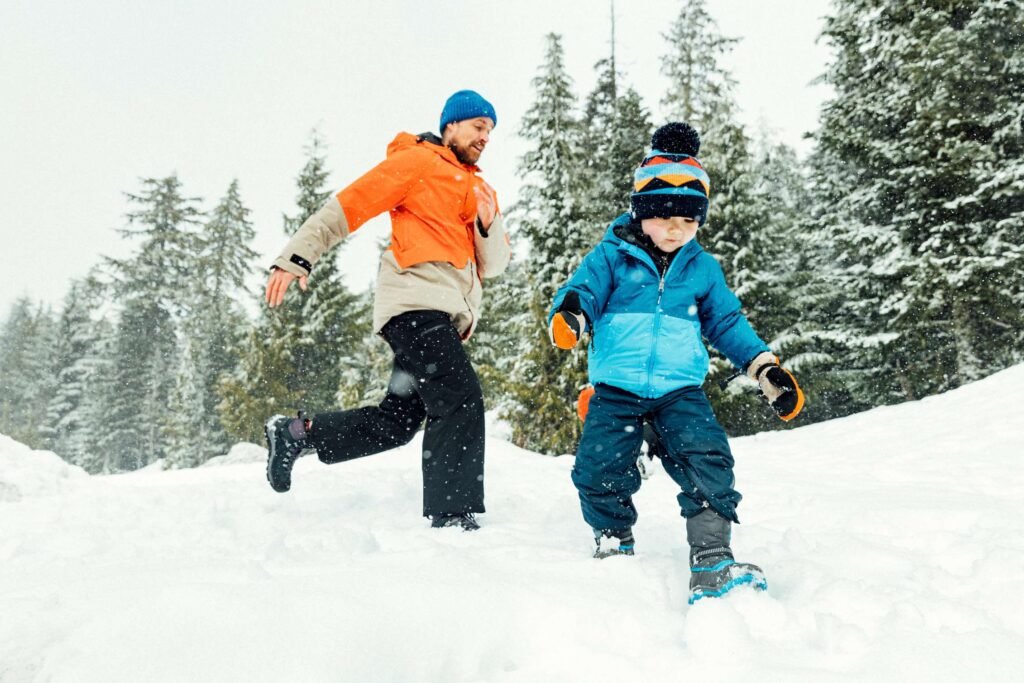

The first snow is wonderful until the cold toes put an end to the fun. Once you see your child making a snowman, the next moment, you have her screaming to get in as her feet are freezing. Selecting the right toddler snow boots is not about style or size, as it is actually a decision of warmth, security, and comfort. That is why a temperature rating can be helpful. Knowing how to select snow boots by temperature rating, one can make winter activities much longer, happier, and with fewer problems.
Here is our guide to understanding temperature ratings, how to relate them to your child’s activities, and choosing the right boots that work in real winter conditions.
The importance of Temperature Ratings for Toddler Snow Boots
Not all snow boots are alike. Temperature ratings inform you about the lowest temperatures that a boot can withstand, keeping your feet warm.
It is necessary that young children feel warmth even when wearing toddler snow boots. Toddlers may not always feel cold, and their smaller feet have less warmth. Toddler Snow Boots should have a good temperature rating to ensure they are safe when playing outdoors, attending school, and on family outings.
Getting to Know Temperature Ratings
Temperature ratings are normally expressed as a negative or positive number of degrees, e.g. -10°F or -25°F. This rating indicates the degree of insulation and materials used in the boot.
Here’s a general breakdown:
- 32°F to 20°F – Light winter, wet snow, limited outdoor activity.
- 20°F to 0°F – Daily winter clothes, school, mid snow play.
- 0°F and lower – Long play outside, lots of snow, very cold.
When buying Kids’ snow Boots, you should always think of the weather and temperature in your area.
Compare the Rating With the Activities of Your Child
Not all children require the coziest pair of boots. The level of activity is equally important in comparison to temperature.
For Toddlers
Toddlers push themselves only for short intervals, and they can sit on the snow quite often. This implies that they require additional insulation. The toddler snow boots should be designed with lower temperature ratings (warmer boots) to ensure that their feet are comfortable when they are not in constant motion.
For School-Age Kids
School and recess boots worn by children walking to school or during play should be warm, flexible, and comfortable. The Kids snow Boots with the everyday ratings for winter are usually fine.
Insulation: The Key to Warmth
Insulation is directly associated with temperature ratings. Most of the common insulation materials are synthetic fibers, which are meant to trap the heat.
In the case of boots, look for:
- Heavyweight insulation, but made very lightweight.
- Moisture-wicking linings
- Breathable materials
Well-known brands like Oaki specialize in keeping little feet warm while ensuring their boots remain lightweight and flexible. This is especially true for Oaki snow boots, designed for active children who need both warmth and freedom of movement.
Waterproofing: That Makes the Difference
The feet become cold quickly regardless of the temperature ratings.
Look for:
- Waterproof outer shells
- Sealed seams
- Water-resistant liners
Oaki snow boots are made of high-quality material that provides insulation in addition to waterproofing properties, thus keeping the user warm even on wet, slushy snow days.
Fit and Layering: Never Size Wrong
One of the most common mistakes parents make is purchasing boots that are too big to grow into. Unnecessarily large boots decrease warmth since insulation is effective when it is near the foot.
Proper fit tips:
- Leave room for one warm sock
- Tightness should be avoided, and circulation should not be restricted.
- Make sure heels don’t slip
Whether you are buying toddler snow boots or more advanced kids’ shoes, proper sizing is significant in terms of warmth and comfort.
How Cold Is Too Cold?
Parents will inquire whether they should always purchase the lowest temperature rating possible.
Choose boots based on:
- Mean temperatures during winter.
- Wind and moisture levels
- Time spent outdoors
Final Thoughts
One of the best decisions parents can make during winter is selecting snow boots based on their temperature rating. By pairing shoes with the surroundings of your child and the intensity of their activities, winter will be something they will relish, rather than something they will put up with.
Kids snow boots are carefully selected not only to keep little feet warm, dry, and ready to run, but also to provide a dependable solution, such as oaki snow boots, so that parents are not afraid even under the most extreme weather conditions.
Check Oaki snow boots and provide your child with all the warmth and comfort they will need to enjoy any snow adventure.