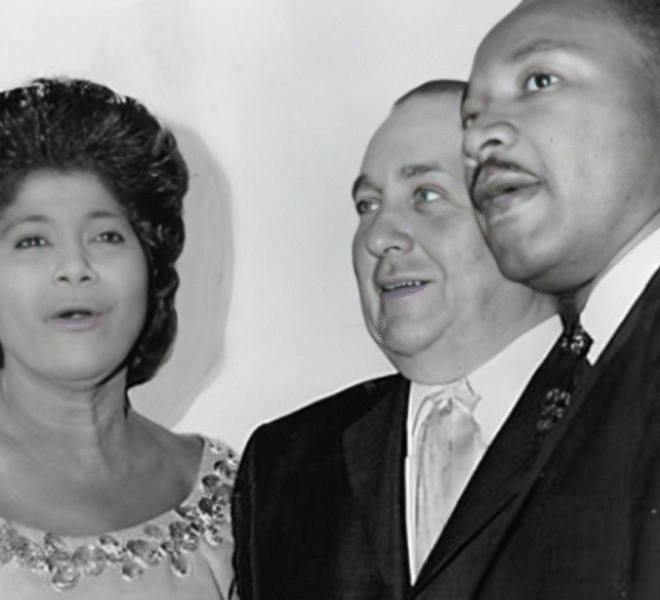

Sigmond Galloway is best remembered as the second husband of the legendary gospel singer Mahalia Jackson, yet his own life story extends beyond that brief and turbulent marriage. Born in the American South in the early 20th century, Galloway lived largely outside the public spotlight. Nevertheless, his relationship with one of the most influential voices in gospel music history has made him a recurring subject in biographies and historical discussions.
Early Life and Family Background
Sigmond Galloway was born on May 18, 1922, in Wetumpka, Alabama, a small town in Elmore County. He came from a working-class Southern family, raised during a time when economic hardship and racial segregation shaped daily life for many African Americans. His parents were Randolph Galloway and Mary Lee (Williams) Courtney, and records indicate that he had siblings, including Emma Brannon and Sylvia Christine McDonald.
Little is publicly documented about his childhood or education. Unlike Mahalia Jackson, whose musical talents placed her on a public path early in life, Galloway grew up in relative anonymity. This quiet beginning would later contrast sharply with the global fame of the woman he would eventually marry.
Career and Professional Life
Sigmond Galloway’s professional life was modest and varied. Some sources describe him as having musical interests, including experience as a jazz musician, while others note that he worked in construction and manual labor. Unlike Mahalia Jackson, who remained unwaveringly devoted to gospel music, Galloway did not build a notable or lasting career in the entertainment industry.
His work life suggests practicality rather than ambition for fame. Even after marrying one of the most successful gospel singers of all time, Galloway never established a public persona of his own. This difference in lifestyle and outlook would later become one of the tensions in his marriage.
First Marriage and Family Life
Before meeting Mahalia Jackson, Sigmond Galloway was married to Celestine Olga Galloway. The couple married in 1949, and together they had a daughter, commonly identified as Sigma Galloway. This marriage ended tragically with Celestine’s death in 1962, when she was only about 40 years old.
Following her death, Galloway became a widower, and his personal life once again faded into obscurity. It was only after this period that his life intersected with Mahalia Jackson’s in a way that would place him into historical narratives.
Marriage to Mahalia Jackson
Sigmond Galloway married Mahalia Jackson in 1964, several years after her divorce from her first husband, Isaac Hockenhull. Their wedding was informal, reportedly taking place in Jackson’s living room in Chicago. At the time, Mahalia Jackson was already a global icon, celebrated not only for her music but also for her involvement in the civil rights movement.
Despite hopes for companionship and stability, the marriage quickly became strained. Accounts from biographies and later articles describe frequent arguments, particularly over money, control, and lifestyle differences. Jackson’s health was also declining during this period, and she suffered serious medical issues shortly after the marriage, including complications related to heart disease and sarcoidosis.
Allegations and Breakdown of the Relationship
Numerous sources describe the marriage as unhappy and short-lived. Galloway has been accused of being emotionally distant and unsupportive during Mahalia Jackson’s illnesses. More seriously, some reports allege instances of physical aggression, which ultimately led Jackson to seek a divorce.
The relationship deteriorated rapidly, and by 1966–1967, the marriage had ended. The divorce proceedings were contentious, but Mahalia Jackson retained control over her assets and career. Importantly, the couple had no children together.
Life After Divorce
After his divorce from Mahalia Jackson, Sigmond Galloway withdrew almost completely from public view. He did not remarry, nor did he attempt to capitalize on his connection to her fame. This retreat reinforces the image of Galloway as a private individual who was uncomfortable with the intense visibility that surrounded Jackson’s life.
In contrast, Mahalia Jackson continued to be celebrated worldwide until her death in early 1972, just months before Galloway’s own passing.
Death and Legacy
Sigmond Galloway died on May 18, 1972, his 50th birthday. His death came only a few months after Mahalia Jackson’s death on January 27, 1972. With no major public career and limited surviving records, Galloway left behind a quiet legacy.
Today, Sigmond Galloway is remembered primarily through the lens of his marriage to Mahalia Jackson. Historians and biographers often mention him when examining Jackson’s personal struggles and the challenges she faced in her private life. While his own story remains fragmented, it serves as a reminder that even the lives connected to legendary figures can remain largely unseen.
Read more: The Heartbreaking Story of Tia Hernlen – Courage, Tragedy, and Strength
Frequently Asked Questions (FAQ) about Sigmond Galloway
Sigmond Galloway was an American private individual best known as the second husband of gospel legend Mahalia Jackson. He lived largely outside the public spotlight and did not have a major independent public career.
He was born on May 18, 1922, in Wetumpka, Alabama, USA.
Sources describe him as having worked in construction and manual labor, and he is sometimes mentioned as having been involved in jazz music at a local level. He was not a widely known professional musician.
Yes. Before marrying Mahalia Jackson, he was married to Celestine Olga Galloway. That marriage ended with Celestine’s death in 1962.
Yes. From his first marriage, he had at least one daughter, commonly identified as Sigma Galloway. He had no children with Mahalia Jackson.
He married Mahalia Jackson in 1964. Their wedding was informal and reportedly took place in her home in Chicago.
The marriage was short and troubled, lasting roughly two to three years. They divorced around 1966–1967.
Multiple sources cite frequent conflicts, especially over money, control, and lifestyle differences. There are also reports of emotional distance and physical aggression, which led Mahalia Jackson to seek a divorce.
No. There is no record of him remarrying after his divorce from Mahalia Jackson.
He died on May 18, 1972, which was also his 50th birthday.
Sigmond Galloway is remembered mainly in connection with Mahalia Jackson’s personal life. While his own life remained largely private, his marriage to one of the most influential gospel singers in history has kept his name present in biographies and historical discussions.
Conclusion
Sigmond Galloway lived a life marked by contrast—between privacy and public scrutiny, modest means and immense fame, obscurity and historical association. Though he never sought recognition, his role in Mahalia Jackson’s life places him permanently within the broader narrative of American music history. Understanding Galloway’s story adds depth to the human side of a woman whose voice inspired millions and whose personal life was far more complex than her public image suggested.