
Picture this: you’re stuck in bumper-to-bumper traffic again, burning fuel while watching the clock. Meanwhile, your unused gym membership keeps auto-debiting from your account. Sound familiar? Here’s the reality—there’s a smarter approach to getting around that doesn’t involve circling parking lots or inhaling exhaust fumes.
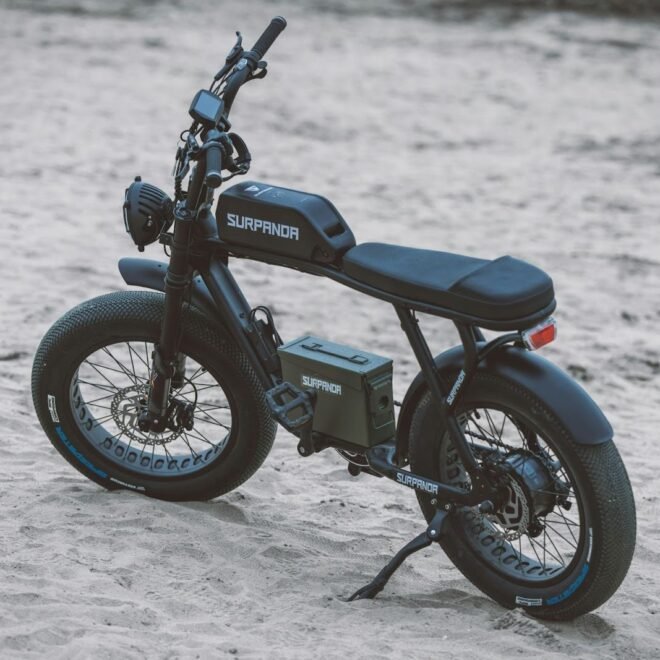
Enter the 1000w fat tire electric bike—a game-changing solution that’s reshaping how people think about daily transportation and recreational riding. These aren’t your average beach cruisers. We’re talking about seriously capable machines packing substantial motor power and those distinctive wide tires that grip virtually any surface. Your Monday morning commute through city streets? Handled. Saturday’s off-road expedition? Conquered with confidence.
Performance Advantages That Set 1000W Fat Tire E-Bikes Apart
Let’s talk about what actually matters when you’re choosing an e-bike. Power and capability aren’t just marketing buzzwords—they determine whether you’ll love riding or leave your bike collecting dust in the garage.
Unmatched Power Output for Steep Climbs and Heavy Loads
That 1000W motor specification translates to real-world advantages you’ll notice immediately. Consider the usage data: in North America, e-bikes had the highest utilization rate at 3.9 trips per bike per day, which tells you something important—people actually use these things daily because they work.
Here’s where you’ll feel the difference. Steep inclines that would leave you gasping on a regular bike? Your 1000W system attacks them effortlessly. While 500W motors start whining and 750W options show their limitations, you’re maintaining steady momentum even loaded down with groceries or gear. Load capacity reaches an impressive 350 pounds without compromising performance, which means you can actually replace car trips for real errands, not just leisurely weekend spins.
Superior Speed and Range for Long-Distance Commuting
Speed matters when you’re navigating through traffic or trying to make it to that morning meeting. You’re looking at 28-30 mph capabilities on level ground using throttle mode. Prefer pedal-assist? Expect comfortable sustained speeds around 20-25 mph without exhausting yourself.
Battery range typically spans 30-55 miles per full charge, though several factors influence these numbers. Heavier riders tackling hilly routes might see 25-35 miles, while lighter commuters on flatter terrain can push past 60 miles. What does this mean practically? Your range anxiety essentially disappears. Most commutes fall comfortably within these parameters, leaving you breathing room for unexpected detours or extra stops.
All-Terrain Versatility for Seamless Transitions
Those impossibly wide tires—usually measuring 4 to 5 inches across—create roughly triple the surface contact compared to standard bicycle tires. Street Rides offers quality options designed for diverse riding conditions, and when you start testing what a fat tire electric bike 1000w actually handles, you’ll be surprised.
The answer? Nearly everything you throw at it. Adjust tire pressure down to 8-10 PSI for sand or snow conditions, then inflate to 20-25 PSI for efficient pavement riding. The best 1000w electric bike designs incorporate adjustable suspension systems working alongside those oversized tires. Your morning asphalt commute flows seamlessly into afternoon gravel exploration without equipment changes or performance compromises.
Cost-Saving Benefits That Impact Your Bottom Line
Performance specifications catch your attention, but let’s discuss what really matters for many buyers—the financial equation. How quickly will this investment start paying dividends?
Dramatic Reduction in Transportation Expenses
Car ownership drains $9,500-$12,000 annually when you tally payments, insurance premiums, fuel costs, and maintenance. A fat tire e-bike for commuting slashes these expenses dramatically. Electricity costs? You’re looking at $50-$150 yearly, even with daily charging habits. Parking fees vanish completely—say goodbye to $200 monthly garage charges or constantly feeding parking meters.
Public transit passes cost $80-$150 monthly in major metropolitan areas. Multiply that out to $960-$1,800 yearly, and you’re still dealing with rigid schedules and limited routing options. Your e-bike operates on your timetable, travels direct routes, and never experiences service cancellations from labor disputes or weather events.
Minimal Maintenance Costs Compared to Vehicles
Beyond eliminating those painful pump prices, ongoing upkeep requirements are remarkably manageable. Budget approximately $100-$250 annually for essentials like chain lubrication, brake pad replacement, and tire wear. Battery replacement happens every 3-5 years, costing $400-$800—still less than one car insurance payment.Most maintenance you’ll handle independently with basic tools. No oil changes, transmission servicing, or emissions inspections cluttering your calendar. This simplicity saves money while eliminating the annoyance of scheduling service appointments around your work schedule.
Tax Incentives and Rebate Programs Available
Already-attractive operating economics become even better when you consider growing incentive programs encouraging e-bike adoption. Federal tax credit proposals suggest potential 30% refunds on qualifying purchases. Numerous states provide $200-$1,500 rebates for eligible buyers, particularly those meeting specific income thresholds or replacing gasoline-powered vehicles.Employer commuter benefit programs increasingly include e-bike purchases alongside traditional transit benefits. Worth checking with your HR department—you might access pre-tax funding for this investment.
Health and Wellness Benefits for Daily Riders
While you’re revolutionizing your personal fitness through consistent riding, you’re simultaneously contributing to planetary health in quantifiable ways.
Cardiovascular Improvement Through Adjustable Exercise
Pedal-assist settings allow you to calibrate workout intensity, matching your fitness objectives. Level one delivers minimal support for maximum cardiovascular effort, burning approximately 400-500 calories hourly. Research shows e-cargo bikes can deliver 60% faster than vans in city centers, and this speed advantage applies whether you’re hauling cargo or pushing yourself toward fitness goals.
Higher assistance levels still burn 200-300 calories per hour while maintaining heart rates within optimal training zones. You’re building cardiovascular endurance progressively without overtaxing joints or risking overexertion injuries.
Low-Impact Exercise Suitable for All Fitness Levels
What makes e-bike exercise genuinely sustainable is accessibility—that adjustable assistance ensures consistent activity regardless of current conditioning. The pedaling motion eliminates impact stress inherent in running while delivering comparable aerobic benefits. Riders recovering from knee or hip injuries frequently discover e-bikes provide ideal rehabilitation equipment.Age inclusivity ranges from teenagers through riders in their seventies and beyond. Motor assistance levels the playing field, enabling families to ride together despite varied fitness capabilities.
Mental Health Boost from Outdoor Activity
Physical advantages represent just the beginning; riders consistently describe significant mental and emotional well-being improvements. Daily outdoor exposure reduces cortisol concentrations and anxiety symptoms. The pedaling rhythm creates a meditative state, clearing mental clutter accumulated from workplace stress.Trail ride nature exposure amplifies these benefits substantially. You’ll complete rides feeling refreshed rather than depleted, experiencing improved concentration and elevated mood persisting hours after finishing.
Environmental Impact and Sustainability Advantages
These environmental benefits become particularly meaningful when examining how 1000W fat tire e-bikes transform daily commuting for urban and suburban riders.
Zero-Emission Commuting for Carbon Footprint Reduction
Every mile traveled on your electric bike for trails and commutes prevents approximately 0.9 pounds of CO2 emissions compared to driving. Over a year of 20-mile weekly commutes, that totals roughly 900 pounds of carbon, equivalent to planting 15 trees. Urban air quality improves measurably as more riders make this transition, reducing respiratory health complications for entire communities.Corporate sustainability programs increasingly credit employee e-bike commuting toward environmental objectives. You’re not merely helping yourself—you’re contributing toward broader climate solutions.
Energy Efficiency Metrics That Matter
Carbon footprint reduction becomes even more remarkable when examining actual energy consumption figures. Charging expenses average $0.05-$0.15 per complete battery cycle. At 0.5-1 kWh per charge, you’re achieving 50-100 times greater efficiency than electric cars per mile traveled.
Solar panel charging reduces operating costs to near-zero while eliminating grid reliance. Battery recycling initiatives ensure responsible disposal, with numerous manufacturers offering credits toward replacement batteries when returning depleted ones.
Supporting Sustainable Urban Development
This exceptional energy efficiency contributes to broader urban advantages extending beyond individual riders. Decreased traffic congestion reduces infrastructure deterioration, saving municipalities millions in road maintenance budgets. Noise pollution drops significantly—electric motors operate nearly silently compared to combustion engines. Bike lane expansion and green transportation corridors gain momentum as e-bike adoption increases. You’re supporting policy evolution, making cities more livable for everyone.
Commuting-Specific Benefits for Urban and Suburban Riders
While these commuting advantages present compelling arguments for urban riders, the 1000W fat tire e-bike genuinely excels when you venture beyond pavement into nature’s playground.
Time Efficiency in Traffic-Heavy Areas
Average commute durations decrease 20-35% when transitioning from cars to e-bikes in congested urban environments. Dedicated bike lanes and multi-use paths allow you to bypass gridlock entirely. Parking time evaporates—no more circling blocks searching for spots or hiking six blocks from distant garages. That’s 10-20 minutes reclaimed daily, accumulating to 40-80 hours annually. Route flexibility enables cutting through parks and side streets inaccessible to automobiles. Your 15-mile car commute might actually be 12 miles by bike, further enhancing efficiency.
Weather Adaptability for Year-Round Riding
Time savings matter little if you’re limited to riding only during perfect weather, which explains why year-round capability becomes crucial for serious commuters. Fender and mudguard installations protect your clothing from road spray. The off-road fat tire electric bike construction handles rain, light snow, and cold temperatures down to 20°F without performance degradation. Studded tire options transform icy conditions from hazardous to manageable. Layering systems maintain comfort across temperature ranges, while waterproof panniers protect cargo from downpours.
Professional Image and Workplace Integration
Arriving punctually matters; arriving professionally prepared matters more. Throttle modes enable cruising without perspiring during that final mile before arrival. You’ll appear fresh rather than drenched and exhausted.
Corporate campuses become easier to navigate with e-bike mobility between buildings. Secure parking and charging infrastructure increasingly appear at progressive workplaces, supported by management recognizing these benefits.
Questions Riders Ask About 1000W Fat Tire E-Bikes
For daily commuting, electric bikes featuring 1000W motors and fat tires deliver optimal versatility. They manage various road conditions, supply ample power for inclines, and sustain comfortable speeds across different terrains without excessive exertion.
Absolutely. Wide tires provide outstanding traction and stability on loose surfaces, roots, and rocks. While many fat bikes lack suspension, the tire cushioning absorbs impacts effectively, though rockier trails might feel rough during longer rides.
Battery lifespan typically ranges from 3 to 5 years with proper maintenance, delivering 500 to 1,000 charge cycles. Daily riders might replace batteries sooner, while weekend users extend longevity by storing batteries at 50-70% charge in moderate temperatures.
Making the Move to Fat Tire E-Bike Ownership
The advantages accumulate rapidly when examining the complete picture. You’re acquiring a vehicle that reduces transportation expenses, enhances health, minimizes environmental impact, and expands adventure possibilities—all while accelerating daily commutes and increasing enjoyment.
Test rides reveal capabilities that specifications can’t fully communicate. The confidence you’ll experience tackling previously intimidating hills, the freedom of bypassing traffic congestion, and the joy of spontaneous trail detours transform transportation from a necessary routine into a genuine recreation. Don’t wait for perfect conditions to begin—these bikes create perfect conditions wherever you ride them.