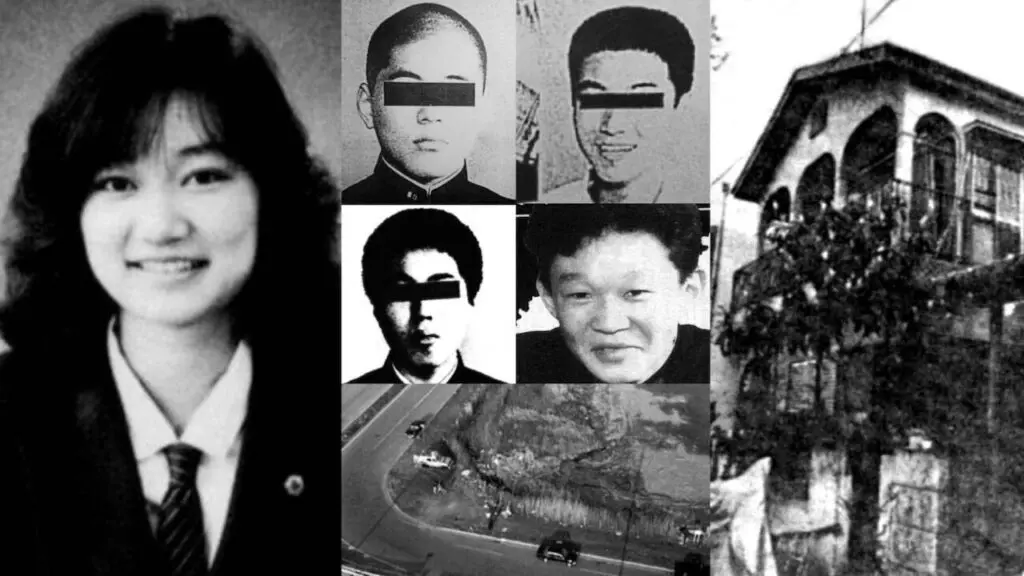

The tragic case of Junko Furuta killers now remains one of the most disturbing and unforgettable events in Japanese history. In 1988, a 17-year-old high school girl named Junko Furuta was kidnapped, tortured, and murdered by four teenage boys. Decades later, many people still ask the same haunting question: Where are Junko Furuta’s killers now? This article explores their lives after conviction, their sentences, and the impact the case left on Japanese society.
Junko Furuta Biography
| Attribute | Details |
| Full Name | Junko Furuta |
| Date of Birth | November 22, 1971 |
| Birthplace | Misato, Saitama, Japan |
| Nationality | Japanese |
| Occupation | High School Student |
| Known For | Victim of one of Japan’s most shocking murder cases |
| Date of Death | January 4, 1989 |
| Age at Death | 17 years |
| Cause of Death | Murder after 44 days of torture |
| Resting Place | Misato, Saitama Prefecture, Japan |
The Story Behind the Junko Furuta Killers Now
In November 1988, Junko Furuta was abducted by four young men—Hiroshi Miyano, Jo Ogura, Shinji Minato, and Yasushi Watanabe. The group kept her captive in a home in Ayase, Tokyo, for 44 horrifying days. During that time, she endured unspeakable torture, assault, and humiliation.
The details of her suffering horrified Japan. Despite the brutality, the killers were initially tried as minors, which led to public outrage. People continue to ask, why were Junko Furuta’s killers given such light sentences? and where are Junko Furuta killers now?
Arrest and Sentencing of Junko Furuta’s Killers
The four killers were arrested in 1989 after police discovered Junko’s body encased in concrete. Their names were initially hidden because they were minors, but journalists later revealed them due to the extreme cruelty of their crime.
- Hiroshi Miyano (later changed his name to Hiroshi Yokoyama): sentenced to 20 years in prison.
- Jo Ogura: sentenced to 8 years in a juvenile correctional facility.
- Shinji Minato: received a 5-to-9-year sentence.
- Yasushi Watanabe: sentenced to 5-to-7-year imprisonment.
The sentences shocked the nation. Many believed that justice had not been served, especially given the horrifying nature of the crime.
Where Are Junko Furuta Killers Now?
Hiroshi Miyano (Yokoyama)
Among the Junko Furuta killers now, Hiroshi Miyano was considered the main perpetrator. After his release in the late 2000s, he changed his name to avoid public recognition. Reports claim he was re-arrested in 2013 for fraud, proving he had not reformed.
Jo Ogura
Jo Ogura, another of the Junko Furuta killers now, was released in the mid-1990s. He also faced legal trouble later for assaulting and threatening others. Local reports indicate he led a troubled life after release and never escaped public hatred.
Shinji Minato
Shinji Minato, one of the Junko Furuta killers now, returned to live with his parents. He worked low-paying jobs and remained under scrutiny by the media. In 2018, he was reportedly arrested again for kidnapping and confinement, showing a pattern of violent behavior.
Yasushi Watanabe
The last of the Junko Furuta killers now, Yasushi Watanabe, kept a low profile after his release. He changed his name and attempted to live anonymously. Few details are known, but many believe he still resides somewhere in Japan under a new identity.
Public Reaction and Social Outrage
The question of where are Junko Furuta killers now continues to trigger public anger. The crime was so gruesome that it led to protests demanding harsher penalties for juvenile offenders. Media coverage turned the case into a symbol of Japan’s struggle with youth crime and justice reform.
How Junko Furuta’s Case Changed Japanese Law
The outrage surrounding the Junko Furuta killers now case influenced future debates about Japan’s juvenile justice system. Many lawmakers argued that minors who commit extreme crimes should face adult sentencing. Over the years, Japan has slowly toughened its stance on violent juvenile crimes, partly because of Junko Furuta’s tragedy.
Legacy of Junko Furuta
Junko Furuta is remembered as a symbol of innocence and injustice. Her classmates and supporters have held memorials to honor her life. Her story has been used in books, films, and documentaries to remind the world of the consequences of unchecked cruelty and lenient punishment.
Even today, people researching Junko Furuta killers now express anger at how lightly the perpetrators were punished. Her case remains a dark chapter in Japan’s criminal history, urging continuous reflection on morality and law.
The Families of the Killers
The families of the Junko Furuta killers now faced immense public backlash. Many were harassed and forced to relocate. Reports suggest that the Minato family home was vandalized repeatedly after the crime became public knowledge. The shame and hatred directed at them showed how deeply the crime had scarred society.
Media Coverage and Documentary Influence
The Junko Furuta killers now story has been featured in documentaries and articles worldwide. Various crime channels and investigative shows revisited the case, emphasizing the injustice of the punishments. It is often cited alongside other cases of severe juvenile crime to highlight the need for reform in criminal law.
Psychological Impact and Moral Lessons
Psychologists studying the Junko Furuta killers now case argue that it revealed how group mentality and peer pressure can lead to unimaginable cruelty. The lack of remorse shown by the killers was alarming and inspired broader research into youth violence in Japan.
Junko’s story continues to remind parents, teachers, and communities about the importance of empathy, guidance, and moral education for young people.
International Reaction to Junko Furuta’s Case
The case of the Junko Furuta killers now spread beyond Japan, shocking audiences around the world. International media outlets described the crime as one of the most horrifying ever committed by minors. Many compared it to other infamous cases to show how social apathy and legal leniency can destroy lives.
Current Public Opinion on Junko Furuta Killers Now
Decades later, people still demand full accountability. Social media platforms often revive discussions around Junko Furuta killers now, especially whenever new details about their lives surface. Many believe that justice was never truly served and that the killers should have faced harsher sentences.
Remembering Junko Furuta
In the years since her death, Junko Furuta has become a symbol of resilience and justice. Her classmates and the public continue to remember her through memorials, essays, and awareness campaigns. The pain surrounding the Junko Furuta killers now story remains a reminder that society must protect its most vulnerable members.
Conclusion
The case of Junko Furuta killers now represents more than just a horrific crime—it is a lesson in justice, morality, and humanity. While the killers may live under new names or behind bars again, their actions have left an irreversible scar on Japan’s conscience. Junko Furuta’s memory lives on as a symbol of innocence taken too soon and justice that came too late.
Read more: Penelope Keith Net Worth – Career, Biography, and Wealth Breakdown
FAQs about Junko Furuta Killers Now
They were Hiroshi Miyano, Jo Ogura, Shinji Minato, and Yasushi Watanabe, four teenage boys involved in her abduction and murder.
Most of them were released after serving their sentences. Some have since been rearrested for new crimes.
Because they were minors, Japanese law at the time offered leniency to juvenile offenders, sparking massive outrage.
Yes, reports indicate that all four are still alive, living under different names.
The case influenced Japan’s legal reforms, prompting debates about juvenile sentencing and stricter punishment for violent youth crimes.