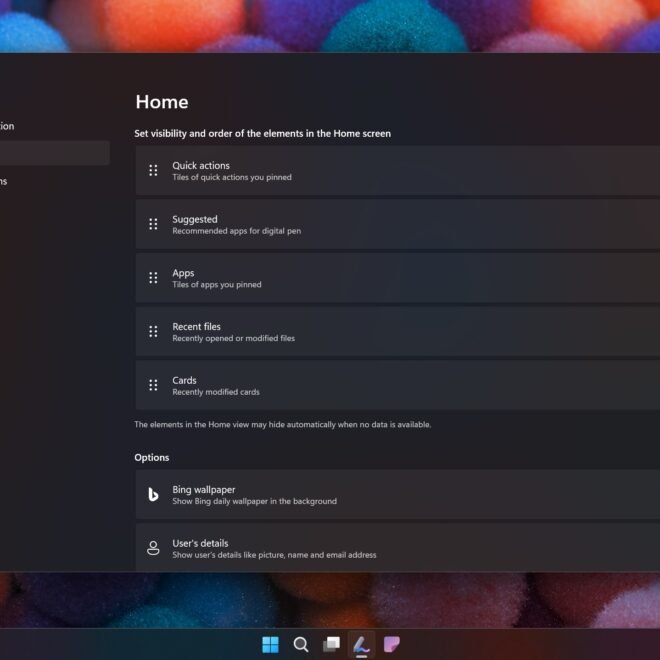

Technology has changed the way people interact with computers. In the past, keyboards and mice were the main tools for controlling a device. However, modern devices now allow users to interact through touch, handwriting, and drawing. One of the technologies that makes this possible is https //www.microsoft.com /ink.
The page https //www.microsoft.com /ink introduces Microsoft’s digital inking technology. This technology allows users to write, draw, annotate, and interact with digital content using a stylus or digital pen. Instead of typing everything, users can simply write on the screen just like they would in a notebook.
Digital inking technology has become increasingly popular on touchscreen devices such as tablets, laptops, and hybrid computers. It combines the natural experience of handwriting with the flexibility and power of digital tools.
Today, Microsoft Ink plays an important role in productivity, education, creativity, and business collaboration.
What Is https //www.microsoft.com /ink
The webpage https //www.microsoft.com /ink is an official Microsoft resource that explains how digital inking works on Windows devices.
Microsoft Ink is a built-in technology within the Windows operating system that supports handwriting and drawing input. It allows users to interact with their devices using:
- Stylus pens
- Digital pens
- Touchscreen handwriting
Unlike traditional input methods, digital ink allows users to write naturally on the screen.
The system captures handwriting or drawing movements and converts them into digital strokes. These strokes behave like real writing but can also be edited, moved, or converted into text.
This technology makes Windows devices more versatile because users can perform many tasks using a stylus instead of a keyboard.
Some common uses include:
- Taking handwritten notes
- Annotating documents
- Drawing diagrams
- Signing digital documents
- Highlighting content
Because Microsoft Ink is built directly into Windows, the pen experience works across many applications without requiring extra software.
How Microsoft Ink Works
The technology behind https //www.microsoft.com /ink uses sensors within touchscreen devices to detect stylus movement.
When a user writes on a touchscreen with a stylus, the system records several types of data, including:
- pen position
- pressure sensitivity
- tilt angle
- speed of movement
Using this information, Windows recreates the strokes digitally on the screen.
Modern stylus pens are highly accurate and can detect thousands of pressure levels. This allows users to draw thin or thick lines depending on how hard they press.
Another important advantage of digital ink is that it combines handwriting with digital editing. Users can erase, copy, move, or transform handwritten notes easily.
In addition, handwritten notes can be stored digitally and synchronized across devices using cloud services like OneDrive.
Windows Ink Workspace
One of the most important features connected to https //www.microsoft.com /ink is Windows Ink Workspace.
Windows Ink Workspace is a central hub in Windows that provides quick access to pen-based tools and applications.
Users can open this workspace directly from the Windows taskbar or by pressing a shortcut button on a compatible stylus.
The workspace provides access to several useful tools.
Sticky Notes
Sticky Notes allow users to write quick reminders and notes directly on their screen. These notes can also be synced across devices.
Screen Sketch
Screen Sketch allows users to capture a screenshot and immediately annotate it with a stylus.
Microsoft Whiteboard
Microsoft Whiteboard provides a collaborative digital canvas where users can brainstorm, sketch ideas, and share concepts visually.
Windows Ink Workspace helps users start writing or drawing instantly without navigating through multiple menus.
Key Features of https //www.microsoft.com /ink
Microsoft Ink includes several powerful features that make digital handwriting efficient and useful.
Handwriting Recognition
One of the most valuable features of https //www.microsoft.com /ink is handwriting recognition.
Windows can recognize handwritten text and convert it into typed characters. This allows handwritten notes to become searchable and editable.
This feature is especially useful for students and professionals who take many notes.
Ink-to-Text Conversion
Ink-to-Text technology automatically converts handwritten words into digital text.
Users can write naturally with a stylus and then transform the writing into a typed document.
This helps bridge the gap between handwriting and traditional text editing.
Ink-to-Shape
Ink-to-Shape allows rough sketches to automatically convert into clean shapes.
For example:
- circles
- rectangles
- arrows
- diagrams
This feature is very useful for presentations and brainstorming sessions.
Gesture Editing
Microsoft Ink also supports gesture-based editing.
Users can perform simple gestures to modify content.
Examples include:
- scratching out text to delete it
- circling content to select it
- drawing lines to highlight information
These gestures make editing much faster and more intuitive.
Integration with Microsoft Applications
Another major advantage of https //www.microsoft.com /ink is its integration with Microsoft applications.
Digital ink works seamlessly with many widely used productivity tools.
Microsoft Word
Users can annotate documents, add handwritten comments, or underline text directly using a stylus.
Microsoft PowerPoint
Presenters can draw directly on slides during presentations to emphasize key ideas.
Microsoft Excel
Digital ink allows users to highlight data visually or explain complex spreadsheets through annotations.
Microsoft OneNote
OneNote is one of the most popular applications for digital handwriting.
Users can create digital notebooks containing handwritten notes, sketches, images, and typed content.
Because of this integration, Microsoft Ink significantly improves productivity.
Microsoft Whiteboard and Team Collaboration
Digital inking also powers Microsoft Whiteboard, a collaborative platform designed for teamwork.
Microsoft Whiteboard provides a digital canvas where multiple users can draw, write, and share ideas simultaneously.
This tool is widely used by remote teams and online meeting participants.
With https //www.microsoft.com /ink, teams can:
- brainstorm ideas
- sketch diagrams
- create workflows
- visualize strategies
Visual collaboration often improves communication and helps teams understand complex concepts more easily.
Devices That Support https //www.microsoft.com /ink
To use digital inking effectively, users need devices that support stylus input.
Several Windows devices are designed specifically for this purpose.
Common compatible devices include:
- Microsoft Surface devices
- Windows 2-in-1 laptops
- touchscreen tablets
- stylus-enabled PCs
These devices support digital pens that detect pressure and tilt.
Many stylus pens also include programmable buttons that open Windows Ink Workspace instantly.
Benefits of Using https //www.microsoft.com /ink
Digital inking provides many advantages compared to traditional typing.
Natural Interaction
Writing with a stylus feels more natural than typing. Users can express ideas visually and quickly.
Improved Productivity
Users can capture ideas instantly during meetings, lectures, or brainstorming sessions.
Enhanced Creativity
Artists and designers can sketch ideas directly on their screens without needing paper.
Better Learning
Studies show that handwriting improves memory retention. Digital ink preserves this benefit while adding digital organization and searchability.
Real-World Uses of Microsoft Ink
The technology behind https //www.microsoft.com /ink is used in many environments.
Education
Students use digital ink to take notes, draw diagrams, and solve equations.
Teachers can annotate lessons and explain concepts visually.
Business
Professionals use digital ink to review documents, annotate reports, and sign contracts digitally.
Creative Work
Artists and designers use stylus pens to sketch, illustrate, and design digital artwork.
Personal Productivity
Many people use digital ink for daily note-taking, planning, and brainstorming.
The Future of Digital Ink
The future of https //www.microsoft.com /ink looks promising as Microsoft continues improving its digital handwriting technology.
Future developments may include:
- AI-powered handwriting recognition
- improved stylus precision
- deeper integration with productivity apps
- advanced collaboration tools
As touchscreen devices become more common, writing and drawing on screens may become a standard way of interacting with computers.
Digital ink is expected to play an important role in the future of computing.
Read more: Discover Evonygalore – The Ultimate Guide to Strategy, Growth, and Victory
FAQ
https //www.microsoft.com /ink is a Microsoft webpage that explains digital inking technology used in Windows devices for handwriting, drawing, and annotation.
Users can write notes, draw diagrams, annotate documents, and collaborate visually using a stylus or digital pen.
No, https //www.microsoft.com /ink is an informational page that explains Microsoft’s digital inking features built into Windows.
Devices such as Microsoft Surface tablets, stylus-enabled laptops, and touchscreen Windows PCs support digital inking.
Yes, Microsoft Ink includes handwriting recognition that converts handwritten notes into typed text.
Conclusion
The page https //www.microsoft.com /ink introduces Microsoft’s digital inking technology, which allows users to write, draw, annotate, and collaborate using stylus input on Windows devices.
By combining the natural experience of handwriting with powerful digital tools, Microsoft Ink makes computing more intuitive and flexible.
Features such as handwriting recognition, Ink-to-Text conversion, Windows Ink Workspace, and integration with Microsoft applications help improve productivity, creativity, and collaboration.
Whether used in education, business, creative industries, or everyday productivity, https //www.microsoft.com /ink represents an important step toward more natural interaction with digital devices.